
Mandaluyong City
COURTESY CALL OF H.E. SARAH HULTON, OBE
Tap to view
👁
Mandaluyong City

Your support keeps independent commentary alive.
☕ Buy us a coffee and keep the conversation going


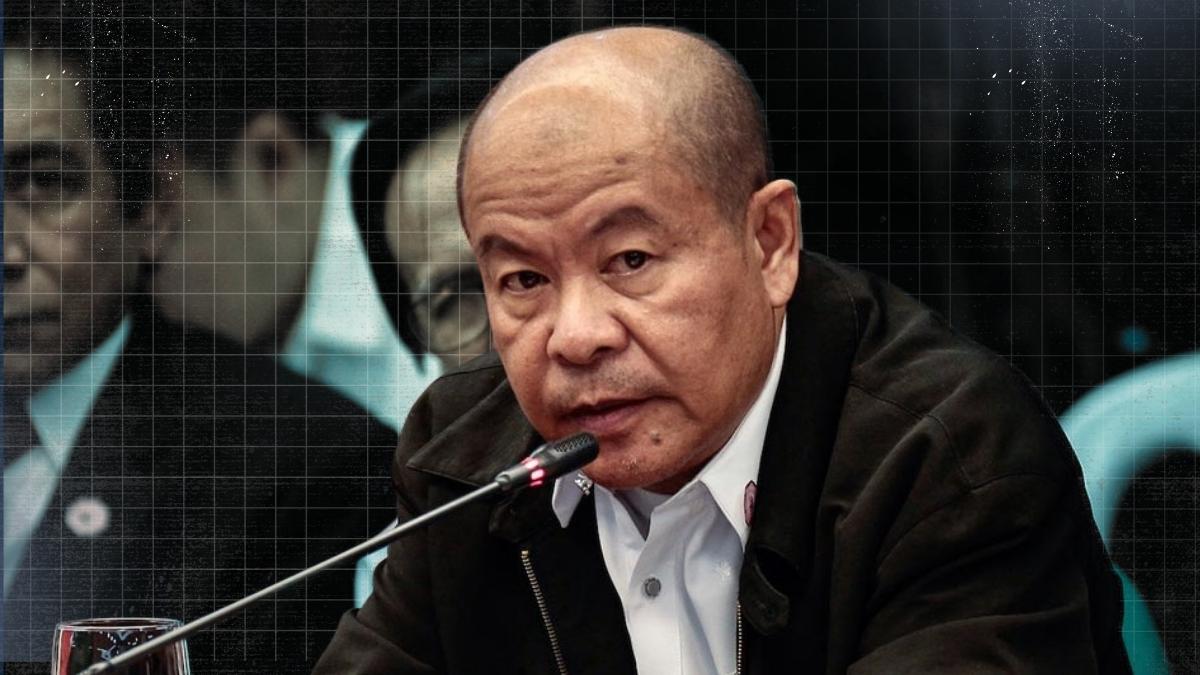
A resurfaced report has once again placed former police officer Arturo Lascañas at the center of discussions surrounding alleged Davao Death Squad (DDS) operations.
Under its #FromOurArchives feature, Rappler revisited Lascañas’ earlier claims that he was allegedly ordered by former President Rodrigo Duterte to carry out killings in Davao City during the height of the anti-criminality campaign.
According to the revived report, the details Lascañas presented to the International Criminal Court reportedly align with information previously gathered and published by the outlet.
Lascañas has long claimed that he participated in operations linked to the alleged DDS and that directives came from higher authority. These allegations have circulated for years, forming part of the broader ICC examination of the Philippine drug war.
It is important to emphasize that these are allegations.
Former President Duterte has consistently denied ordering any extrajudicial killings. He has repeatedly stated that his anti-drug campaign was aimed at restoring peace and order, not sanctioning unlawful acts.
Supporters argue that:
The war on drugs was implemented to protect communities.
Criminal networks had deeply penetrated local systems.
Strong measures were necessary at the time.
Critics counter that:
Due process must never be bypassed.
Human rights standards must remain absolute.
Accountability must apply regardless of position.
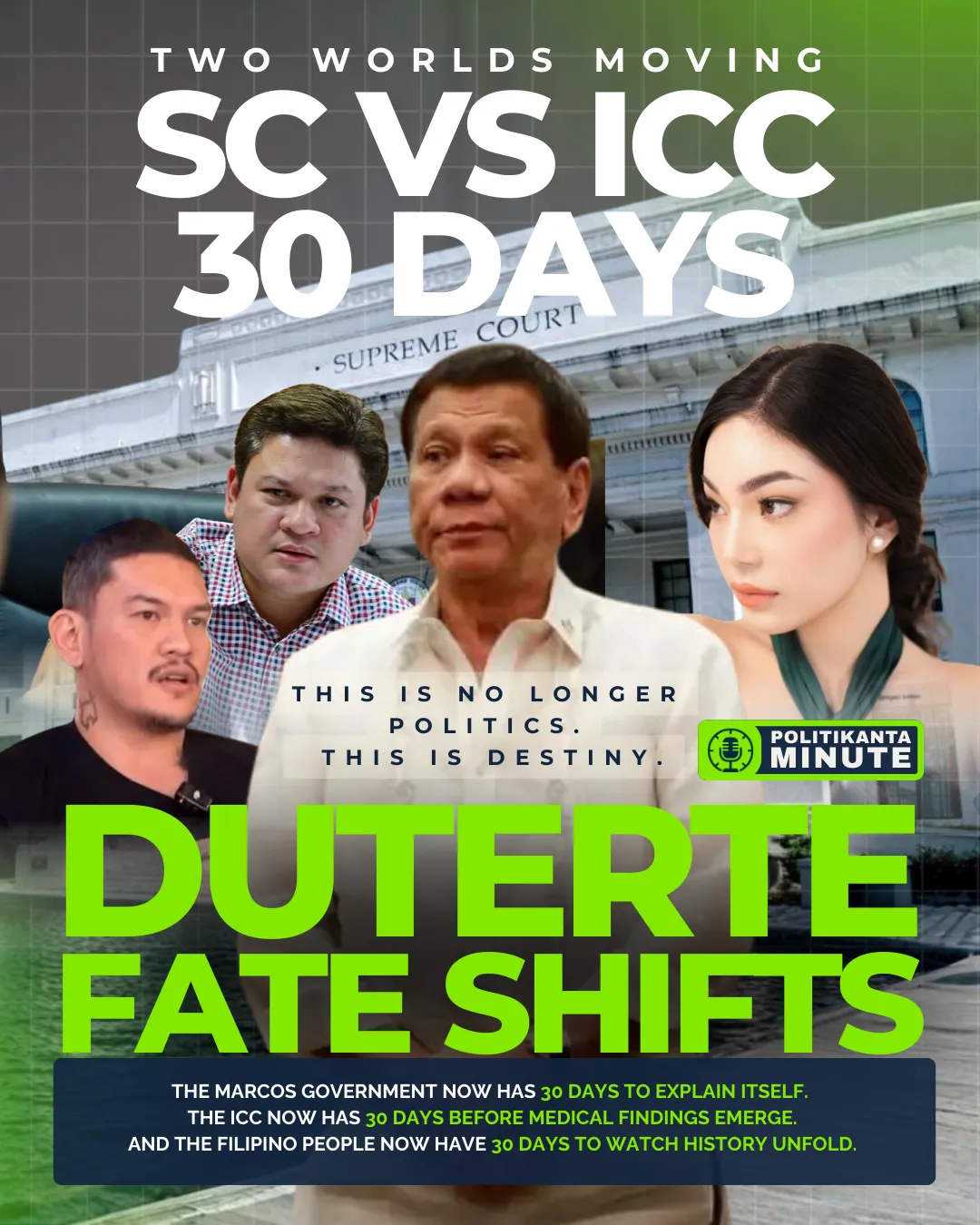
The ICC proceedings aim to examine whether crimes under international law were committed. As of now, legal determinations remain part of an ongoing process.
Within the Agila community, the resurfacing of Lascañas’ claims is seen by some as a narrative strategy — particularly when discussions around 2028 and political alignments intensify.
Supporters question:
Why recycle old allegations now?
Why amplify archive material during active political seasons?
They believe that if evidence exists, it should be weighed properly in legal forums rather than relitigated through media cycles.
At the same time, democratic institutions must function independently. Investigations, if warranted, should proceed through established judicial frameworks.
As Scripture reminds us:
“The first to state his case seems right, until another comes and examines him.” — Proverbs 18:17 (ESV)
Truth withstands examination.
And examination requires fairness.
The Duterte presidency remains one of the most debated eras in modern Philippine governance.
For some, it represents:
Order restored
Crime confronted
A decisive break from bureaucratic hesitation
For others, it symbolizes:
Contested human rights practices
Polarizing rhetoric
Institutional strain
Lascañas’ claims form one thread in a much larger tapestry — one that courts, historians, and citizens will continue to analyze.
In Philippine politics, archives never truly retire.
They just wait for the right season to trend again.
It’s like reruns — but with higher stakes and louder comment sections. 📡
Allegations deserve scrutiny.
Denials deserve hearing.
Justice deserves process.
Citizens deserve clarity.
Whether one supports or criticizes Duterte, the strength of the nation depends not on viral headlines — but on institutions that function with integrity.
Stay discerning. Stay balanced. Stay principled.



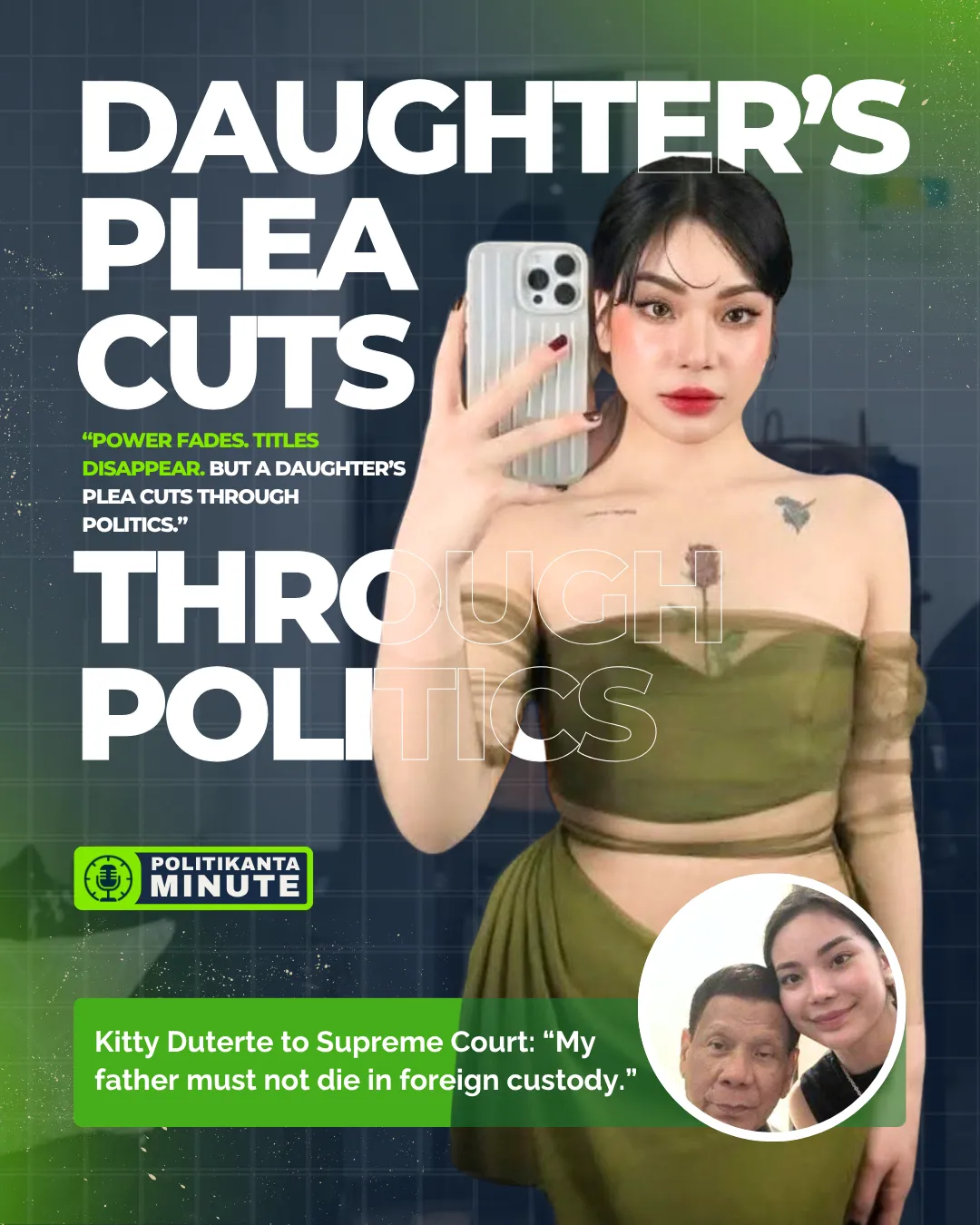
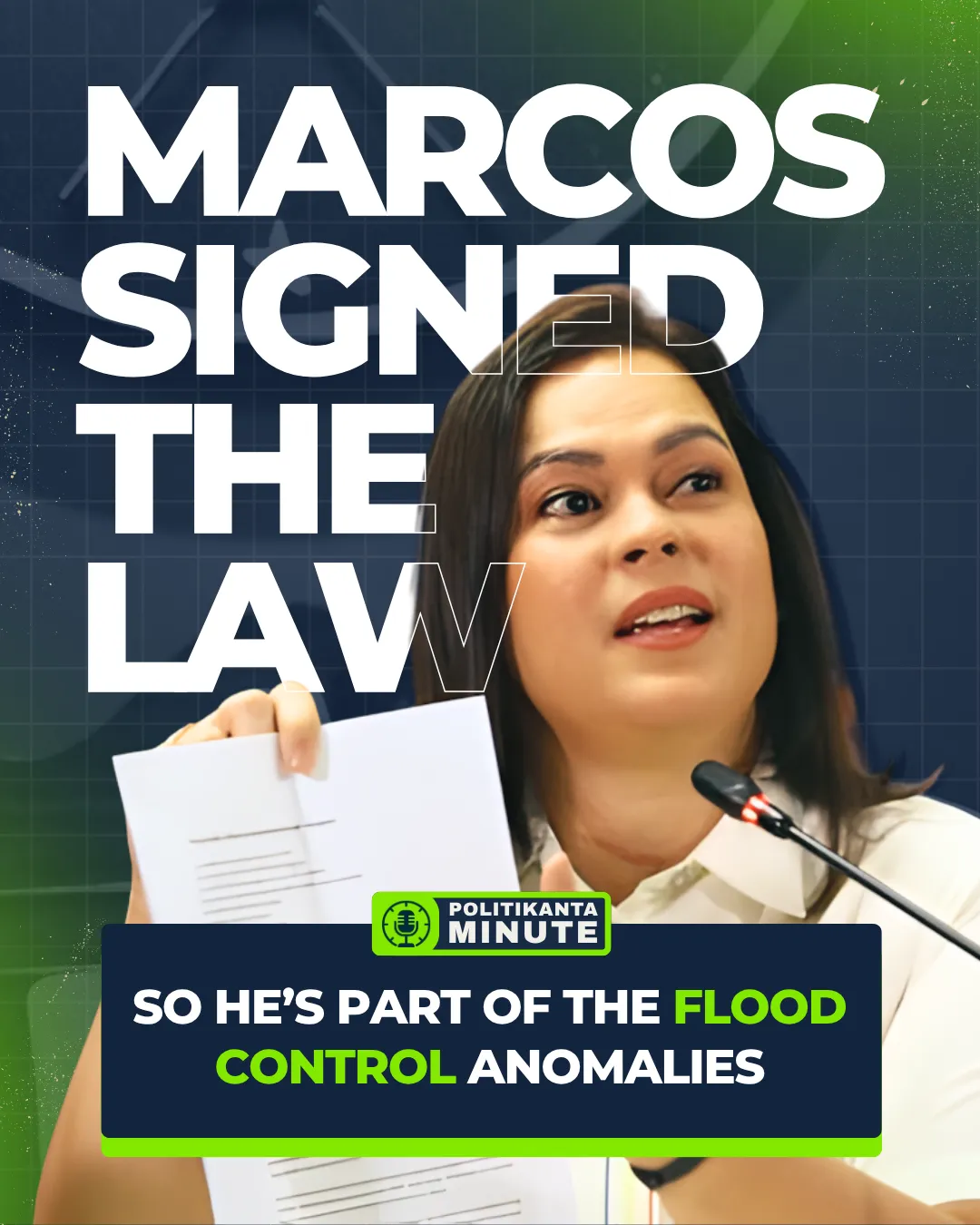

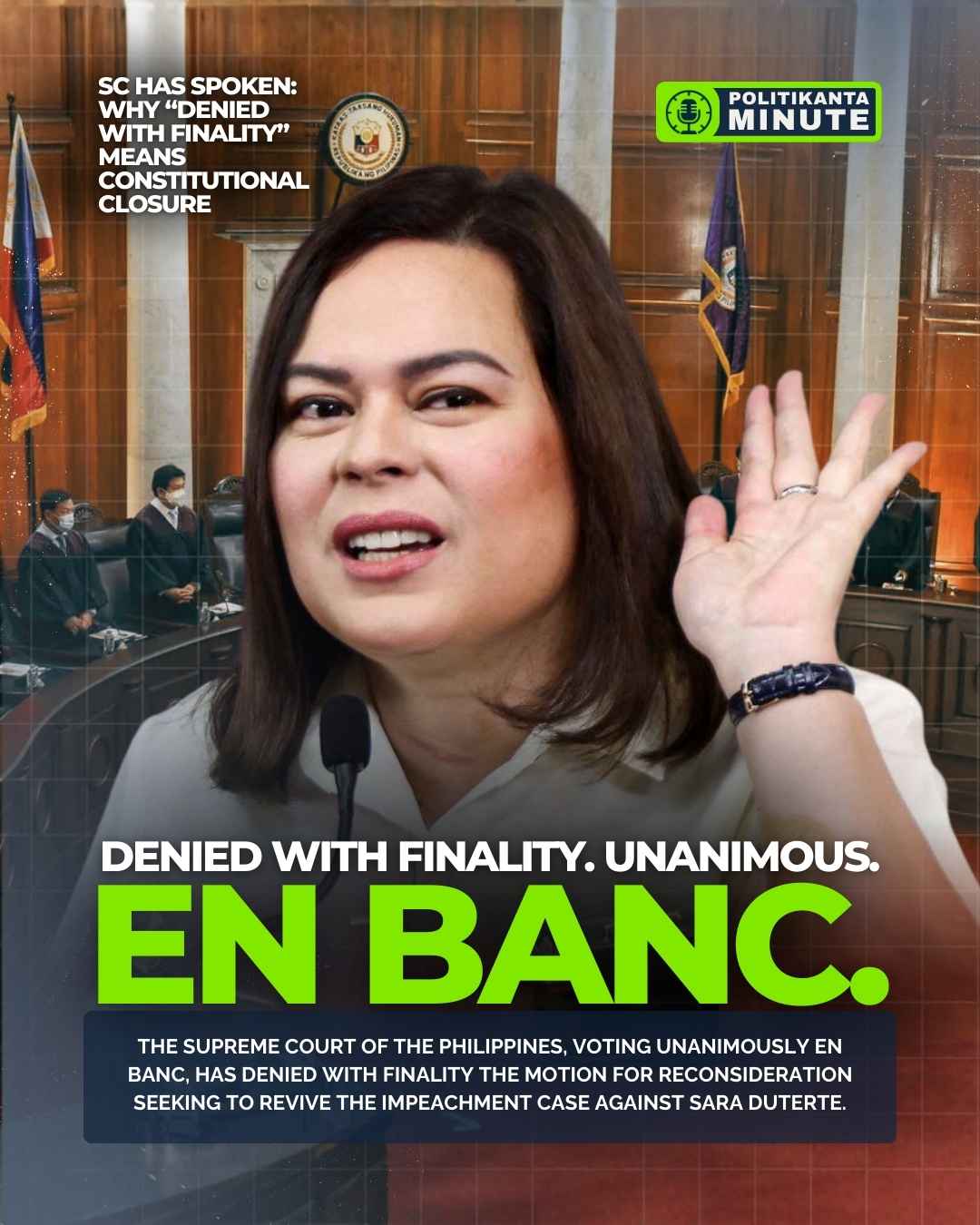
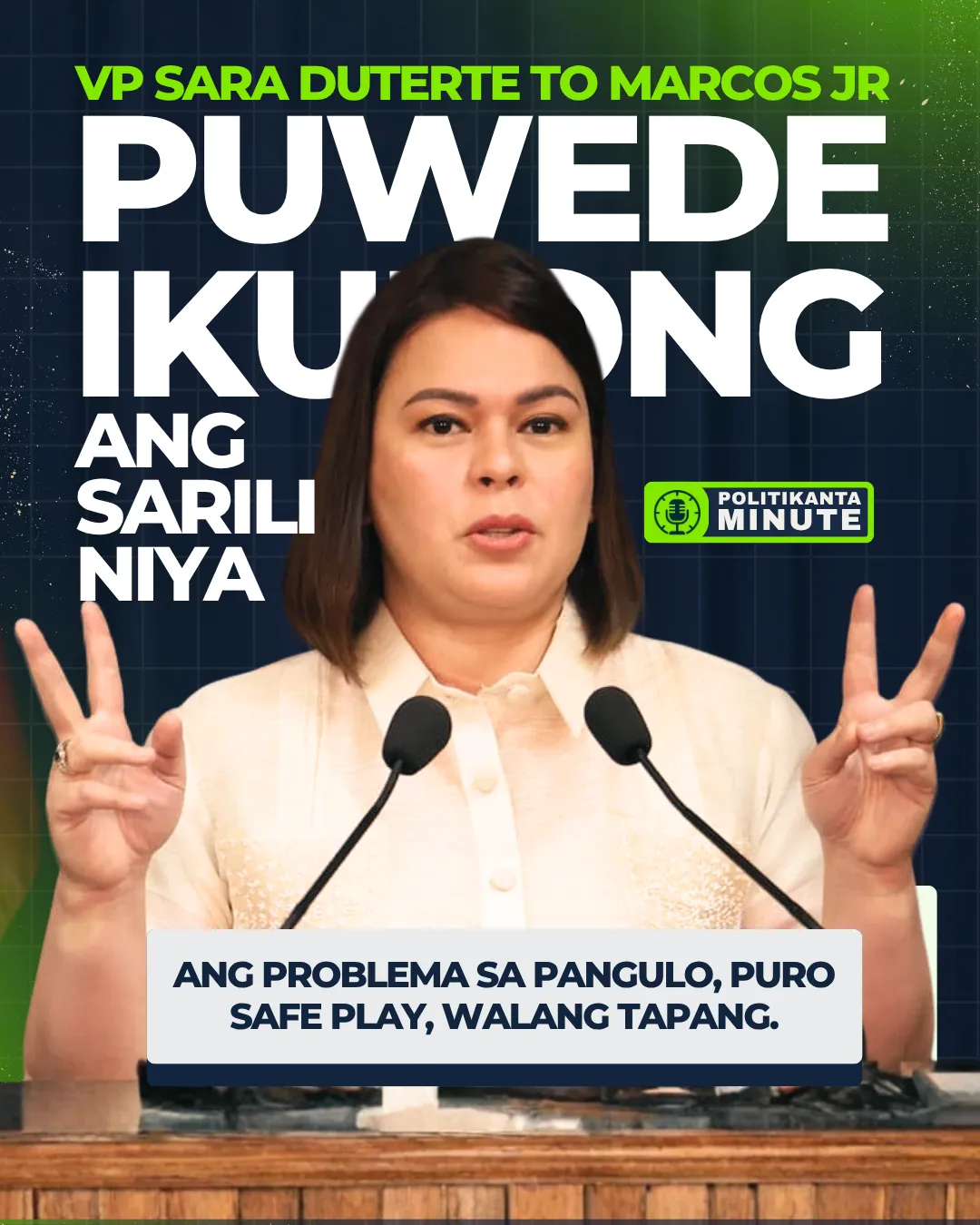


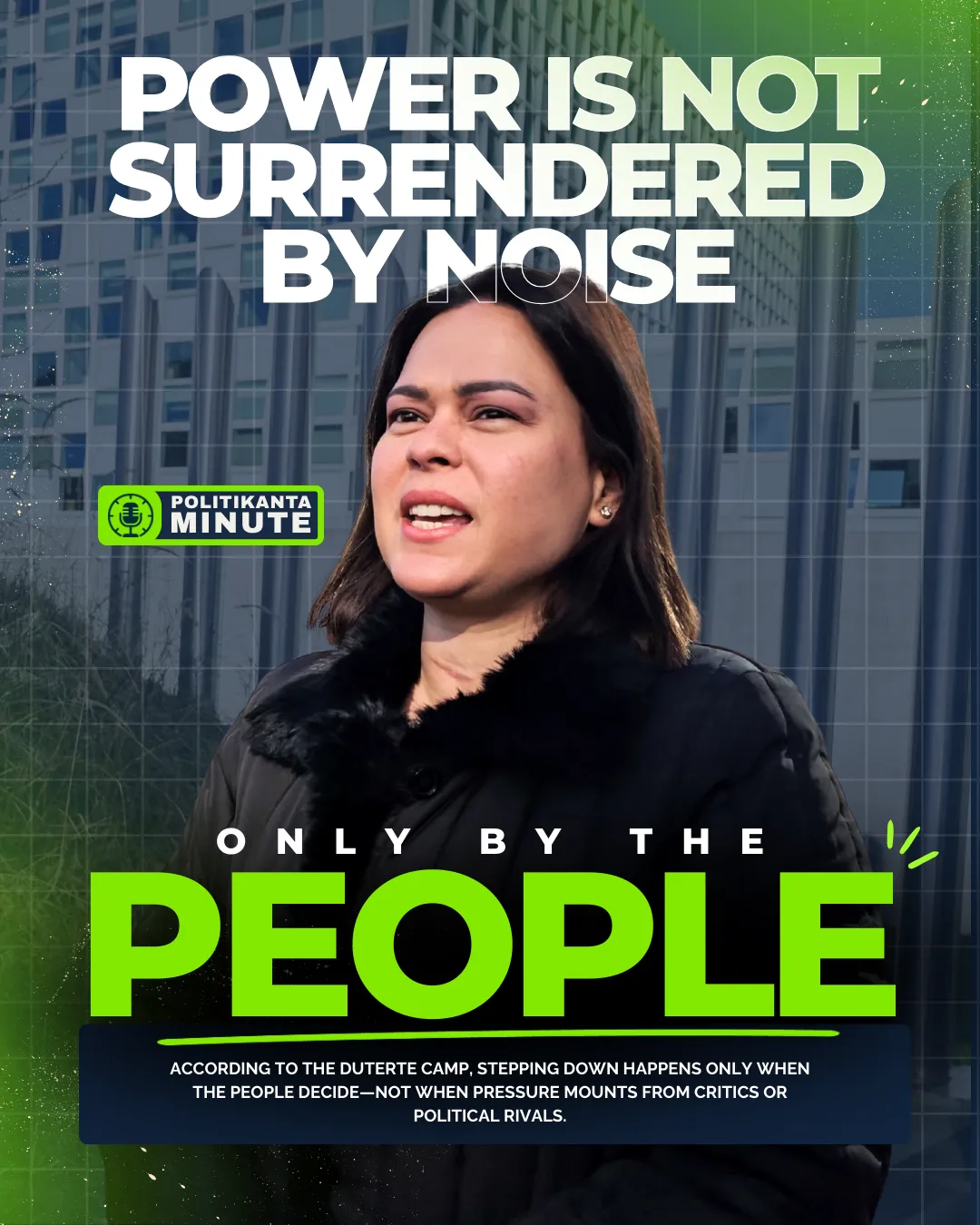

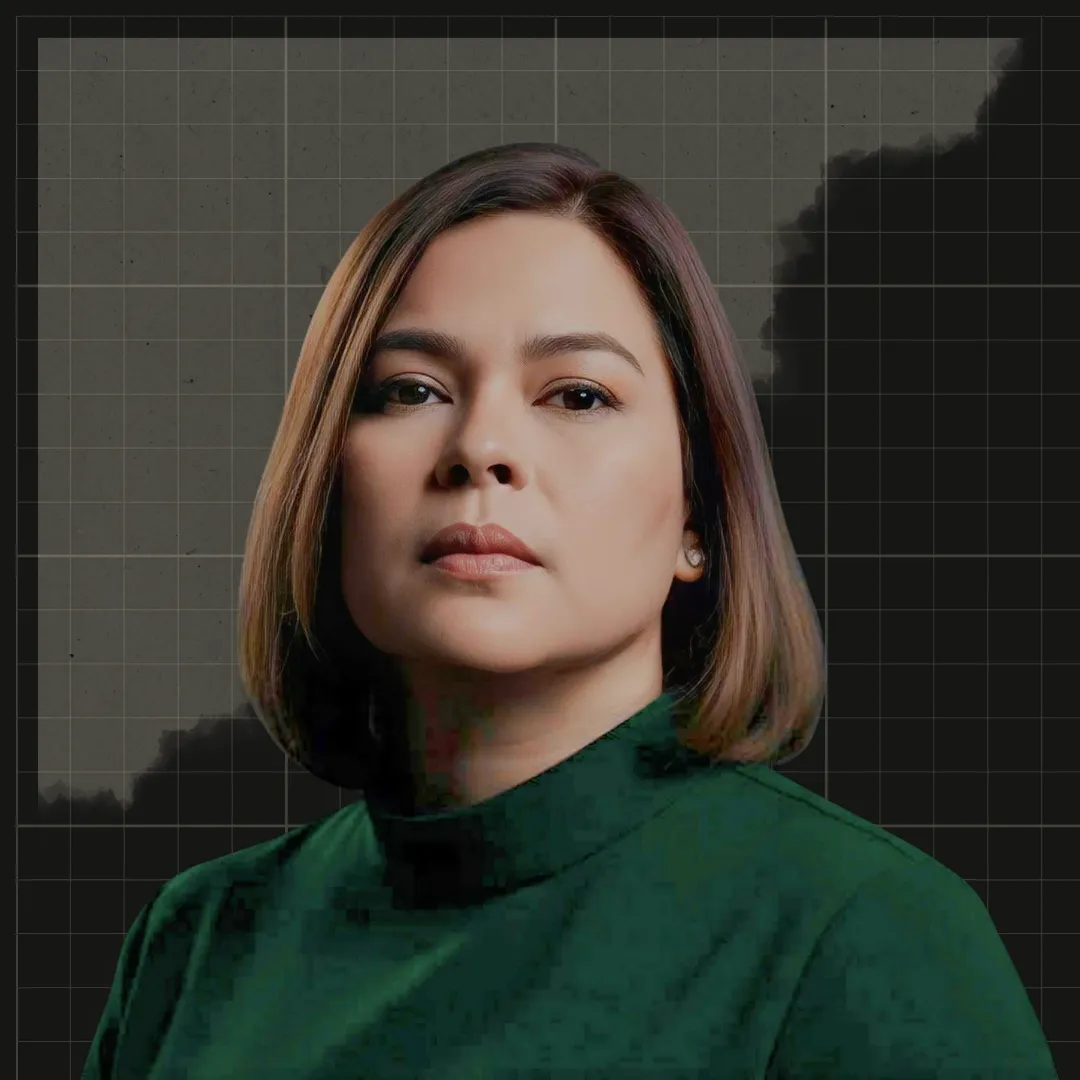
Darryl Yap’s recent post about Vice President Sara Duterte struck a chord online, amassing thousands of comments and shares. His words painted a portrait of resilience: “Nagtitiwala, tumulong, tinraydor, siniraan, patuloy na pinahihirapan.”
For her supporters, Sara Duterte is not just a political figure — she is a daughter honoring her father’s legacy, and a leader standing up for the country amidst criticism and betrayal.
The post frames her as a defender of the nation, ready to battle what Yap describes as the “pulang halimaw na umuuto ng rosas,” a direct jab at political rivals. This strong imagery highlights how polarized Philippine politics has become — where allegiances, narratives, and symbols are constantly weaponized.
But beyond the rhetoric lies the bigger question: Can Sara Duterte truly rise above political attacks and prove herself as a unifying leader, or will she remain trapped in the cycle of partisan battles?
As the political landscape heats up, one thing remains clear — Sara Duterte continues to be a central figure in shaping the nation’s political future.
💭 What’s your take? Is Sara Duterte the resilient leader her supporters believe her to be — or just another political personality caught in the storm?


Disclaimer: This site uses publicly available images and materials for news, satire, and commentary. All rights belong to their respective owners. No copyright infringement intended.
© 2025 Politikanta Minute. All Rights Reserved.
Political Commentary • Satire • Faith-Based Reflection
Some visuals may be AI-generated for satire and illustration. Not real footage unless stated.
Disclaimer: This site uses publicly available images and materials for news, satire, and commentary. All rights belong to their respective owners. No copyright infringement intended.
© 2025 Politikanta Minute. All Rights Reserved.
Political Commentary • Satire • Faith-Based Reflection
Some visuals may be AI-generated for satire and illustration. Not real footage unless stated.
