Mandaluyong City
COURTESY CALL OF H.E. SARAH HULTON, OBE
Tap to view
👁
Mandaluyong City

Your support keeps independent commentary alive.
☕ Buy us a coffee and keep the conversation going


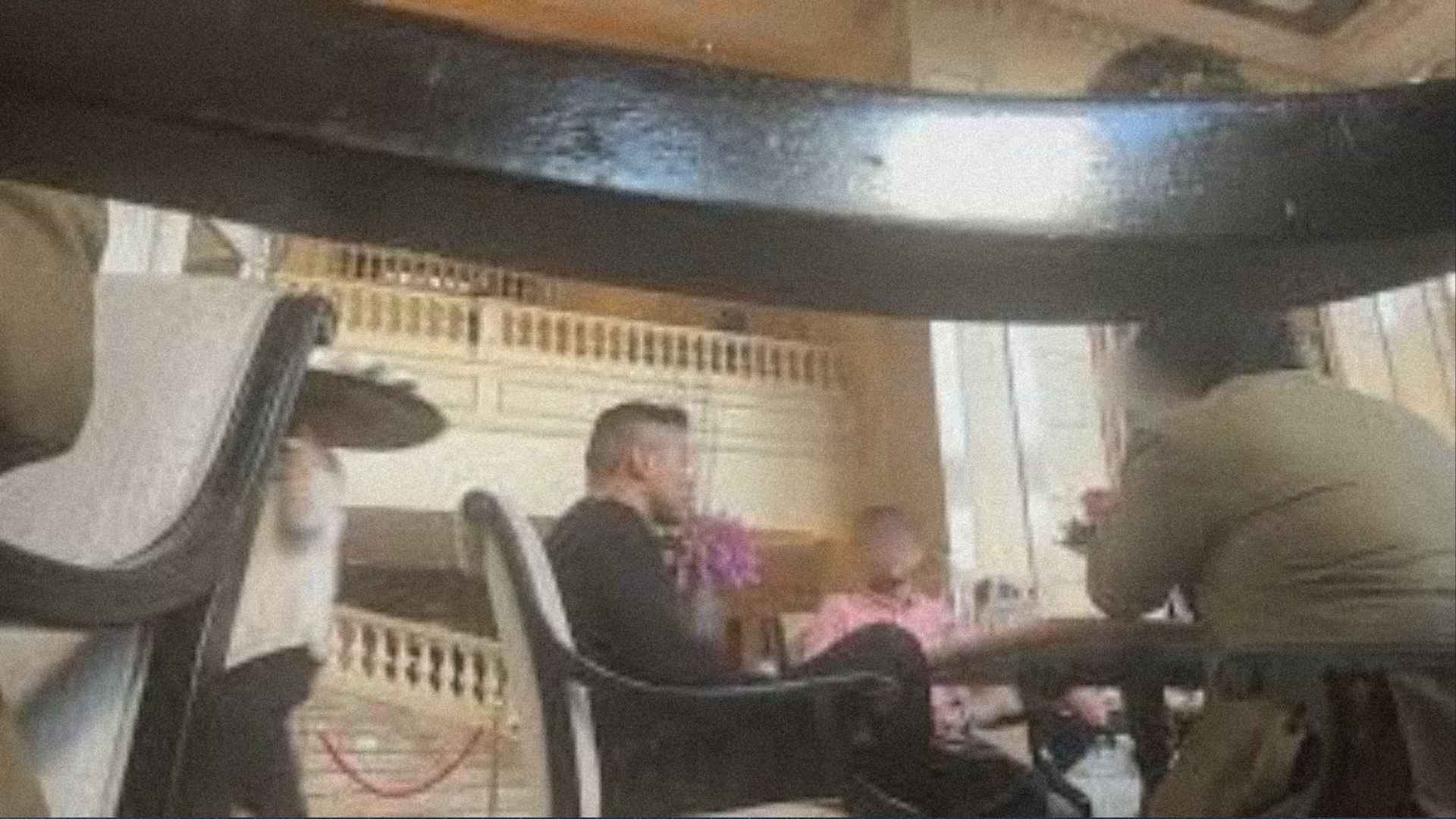
Mas lalong umugong online ang usapin matapos ilabas ng NBI Organized and Transnational Crimes Division (OTCD) ang surveillance footage kaugnay ng operasyon laban sa Peanut Gallery Media Network founder na si Franco Mabanta.
Sa inilabas na video, makikitang nakikipag-usap umano si Mabanta sa isang undercover agent ng NBI na nagpanggap na staff member ni dating House Speaker Martin Romualdez.
Ayon sa report, may dalang duffle bag ang undercover agent na umano’y naglalaman ng pera para ibigay kay Mabanta sa isang hotel sa Makati. Ngunit base sa footage, hindi umano ito direktang tinanggap ni Mabanta. Sa halip, sinabi raw nitong dalhin na lamang ang pera sa isang country club sa Pasig at ibigay sa dalawang lalaking naka-face mask.
Pagdating sa country club, iniabot umano ng undercover agents ang tatlong maleta at isang duffle bag sa dalawang lalaking naka-maskara. Ayon sa NBI, ang laman nito ay ₱75 milyong bahagi umano ng extortion money na may kaugnayan sa alegasyong pangingikil laban kay Romualdez.
Dinala umano ng dalawang lalaki ang mga bag papasok sa country club at diretso sa isang kwarto kung saan naroon si Mabanta. Pagkatapos ng signal, pumasok ang NBI sa function room at isinagawa ang pag-aresto.
Pero sa social media, hindi simpleng “case closed” ang naging reaksyon ng publiko.
Dahil para sa maraming netizens, isang detalye ang agad na naging sentro ng debate:
Kung hindi raw direktang tinanggap ni Mabanta ang pera sa unang pagkakataon… sapat na ba ito para patunayan ang intensyon o partisipasyon sa extortion?
Ito ngayon ang umiikot na tanong online.
Here’s what this really means…
Sa mga high-profile political cases, hindi lang actual evidence ang mahalaga—mahalaga rin kung paano ito nakikita ng publiko.
At sa panahon ngayon, bawat frame ng surveillance footage ay pinag-aaralan na parang courtroom ng social media.
May mga nagsasabing malinaw umano ang operasyon dahil may coordination at transfer na naganap. Ngunit may ilan ding nagsasabing dapat malinaw kung sino talaga ang tumanggap, sino ang may kontrol sa pera, at ano ang eksaktong role ng bawat taong nasa footage.
Ito ang dahilan kung bakit lalong umiinit ang usapin online.
Why this matters…
Kapag political personalities o media figures ang sangkot sa kaso, mas tumitindi ang scrutiny ng publiko. Hindi sapat na may arrest operation lamang—gusto ng taumbayan na malinaw, transparent, at consistent ang proseso.
At sa Pilipinas, kung saan mataas ang political polarization, bawat operasyon ay agad nagiging battle of narratives.
May naniniwalang lehitimong anti-extortion operation ito.
May iba namang naniniwalang kailangan pang mas himayin ang buong kwento bago humusga.
Samantala, nananatili ang posisyon ni Mabanta na wala umano siyang kinalaman sa robbery by extortion case laban sa dating House Speaker.
At habang patuloy na pinagdedebatehan ang footage…
Mas lumalakas din ang tanong ng publiko:
Sa dami ng malalaking anomalyang matagal nang laman ng balita—sino pa ang susunod na iimbestigahan?
Dahil sa social media era, hindi lang operasyon ang viral…
Pati ang mga tanong na hindi agad nasasagot.
“He that answereth a matter before he heareth it, it is folly and shame unto him.” — Proverbs 18:13
Ang tunay na hustisya ay hindi minamadali. Mahalaga ang pakikinig sa buong detalye bago humusga. Sa panahon ng mabilisang viral reactions, paalala ang talatang ito na ang katotohanan ay dapat sinusuri nang buo, hindi pinipili lamang ang parte na gusto nating paniwalaan.
January 10, 2026•3 min read
The National Unity Party (NUP) has formally urged the House Committee on Ethics and Privileges to determine whether Francisco Barzaga remains fit to continue performing his legislative duties, following what party officials describe as repeated acts of “disorderly conduct” despite an earlier suspension.

According to NUP leaders, the ethics inquiry is meant to assess not only Barzaga’s compliance with House rules but also his overall preparedness—physically, mentally, and emotionally—to function as a lawmaker. Barzaga was previously suspended for 60 days over misconduct, yet party officials claim that his behavior after the penalty continued to undermine the dignity of the House of Representatives.
The complaint alleges that even while under suspension, Barzaga maintained verified and official social media accounts that published content described as inflammatory and disruptive. These posts, NUP said, allegedly mocked House proceedings, criticized colleagues in a manner unbecoming of a legislator, and circulated imagery that violated standards of decorum outlined in the House Code of Conduct and Republic Act No. 6713.
NUP officials stressed that the ethics process is not about silencing dissent or punishing political disagreement. Rather, they argued, it is about upholding institutional standards that apply equally to all members, regardless of party affiliation or public following.
“The issue here is not free speech,” party representatives said, “but responsibility.” They emphasized that lawmakers are expected to exercise restraint, particularly when communicating through public platforms that can influence public perception of Congress as an institution.
Barzaga, who entered Congress in 2025 and was once an assistant majority leader, has rejected accusations that his actions amount to misconduct. He has maintained that his statements constitute political commentary and personal expression, not violations of House rules. Supporters argue that his outspoken style resonates with certain sectors of the public and should not be conflated with ethical breaches.
However, ethics experts note that elected officials operate under stricter standards than ordinary citizens. While free expression remains protected, legislators are bound by additional responsibilities tied to their office, including maintaining respect for colleagues and safeguarding the credibility of legislative processes.

The complaint also references Barzaga’s recent public accusations against fellow lawmakers, including claims—denied by those implicated—that certain members received bribes related to leadership decisions in the House. NUP said such allegations, when made without substantiation, risk eroding trust in Congress and may warrant formal scrutiny.
If the ethics committee proceeds, it may conduct hearings to evaluate whether Barzaga’s conduct violates House rules and whether further sanctions are justified. Possible outcomes range from dismissal of the complaint to additional penalties, depending on the committee’s findings.
The case adds to a growing list of ethics-related disputes in the 20th Congress, reflecting broader tensions over decorum, accountability, and the evolving role of social media in politics. As lawmakers increasingly engage constituents online, questions persist about where personal expression ends and institutional responsibility begins.
For now, House leaders emphasize that the ethics process exists to protect the integrity of Congress, not to target individual personalities. Whether Barzaga’s actions rise to the level of continued misconduct will ultimately be decided through established procedures—away from viral posts and public speculation.
More for you
‘Lawsuits Incoming’: Zaldy Co’s Lawyer Threatens Legal Action Over Seized Vehicles
De Lima, Erice Ask Supreme Court to Strike Down ₱150B in Unprogrammed Funds
Leviste Thanks AMLC, Court of Appeals for Freezing Bank Accounts Linked to Edwin Gardiola
Quiet Disclosures and a Growing Paper Trail



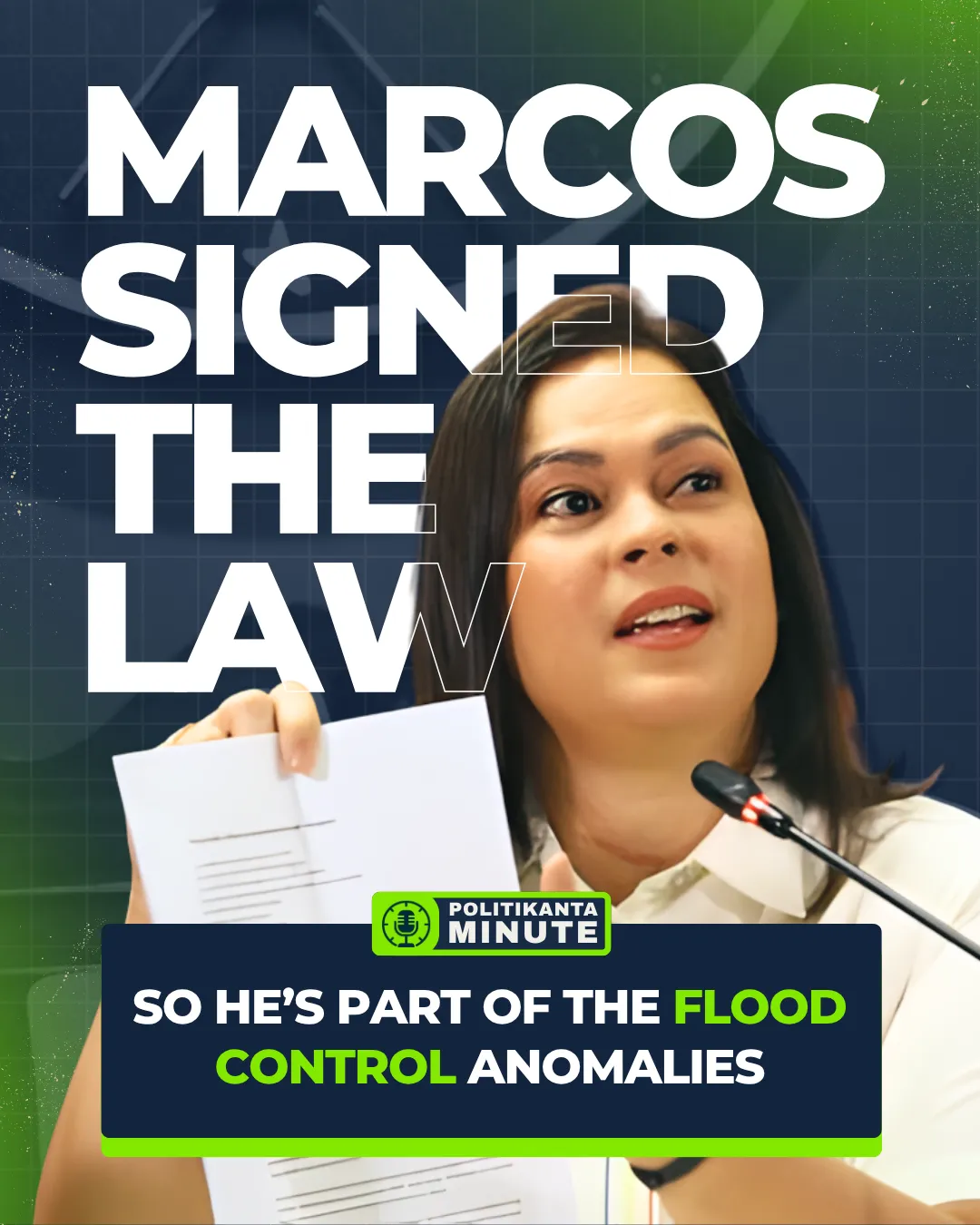
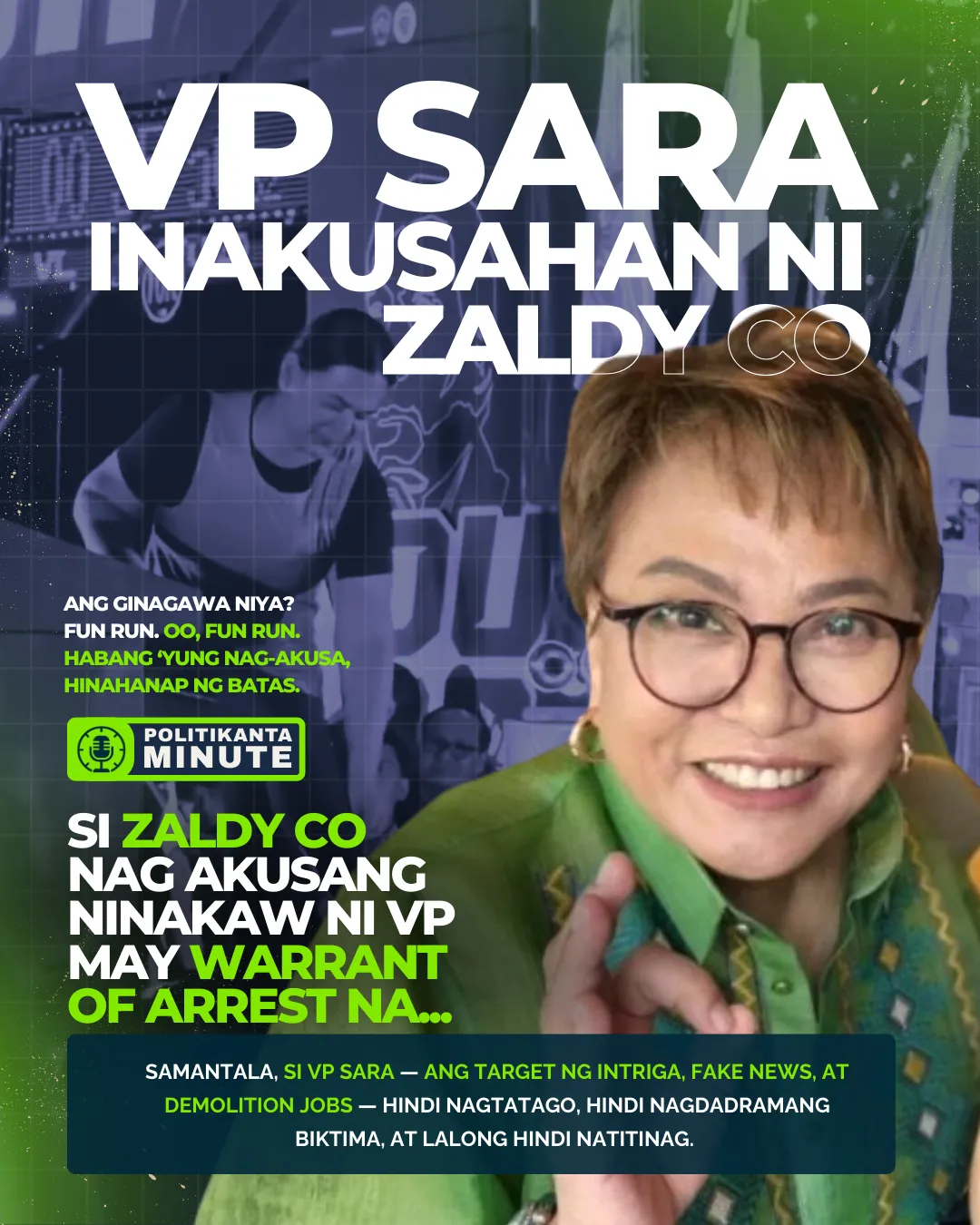
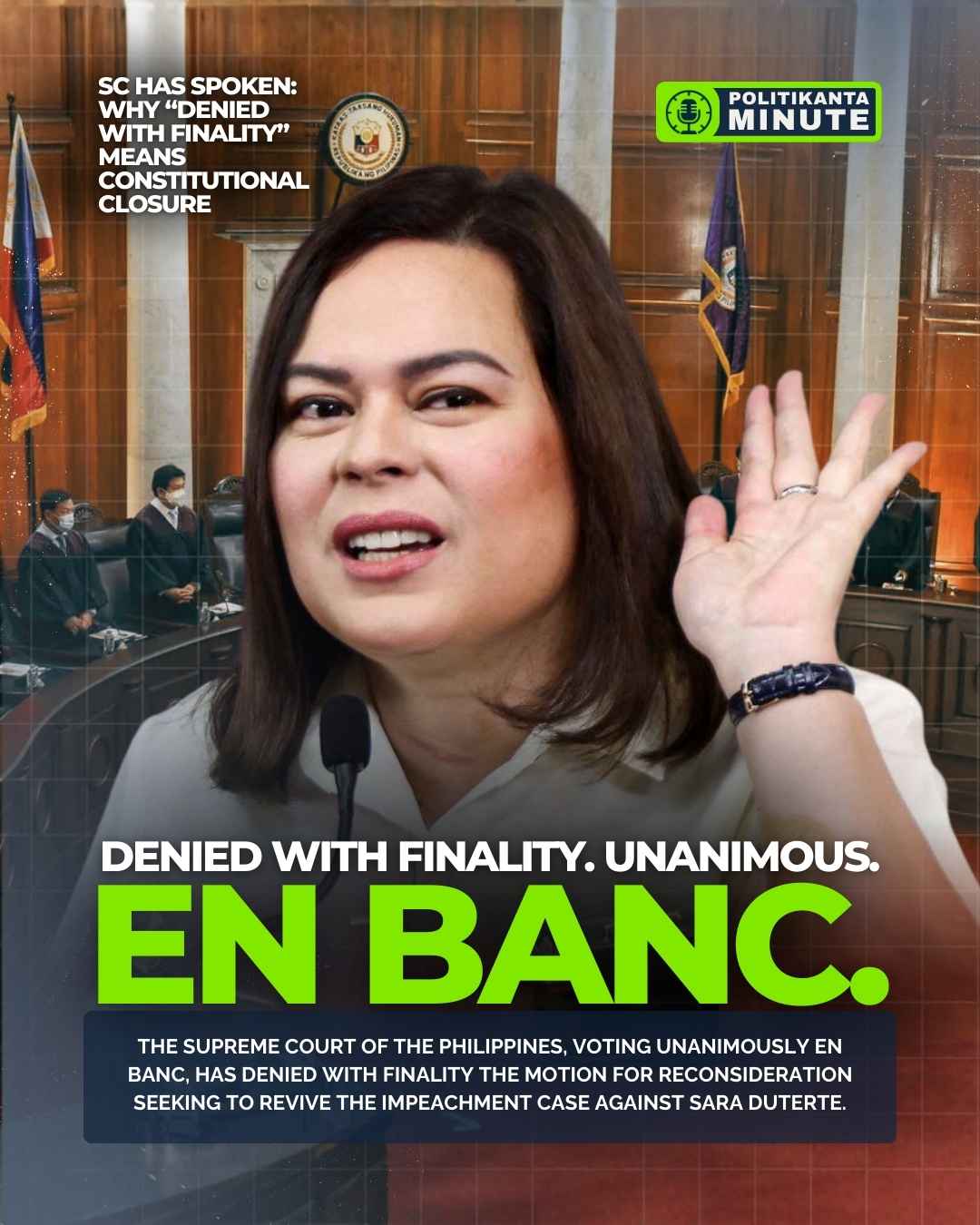
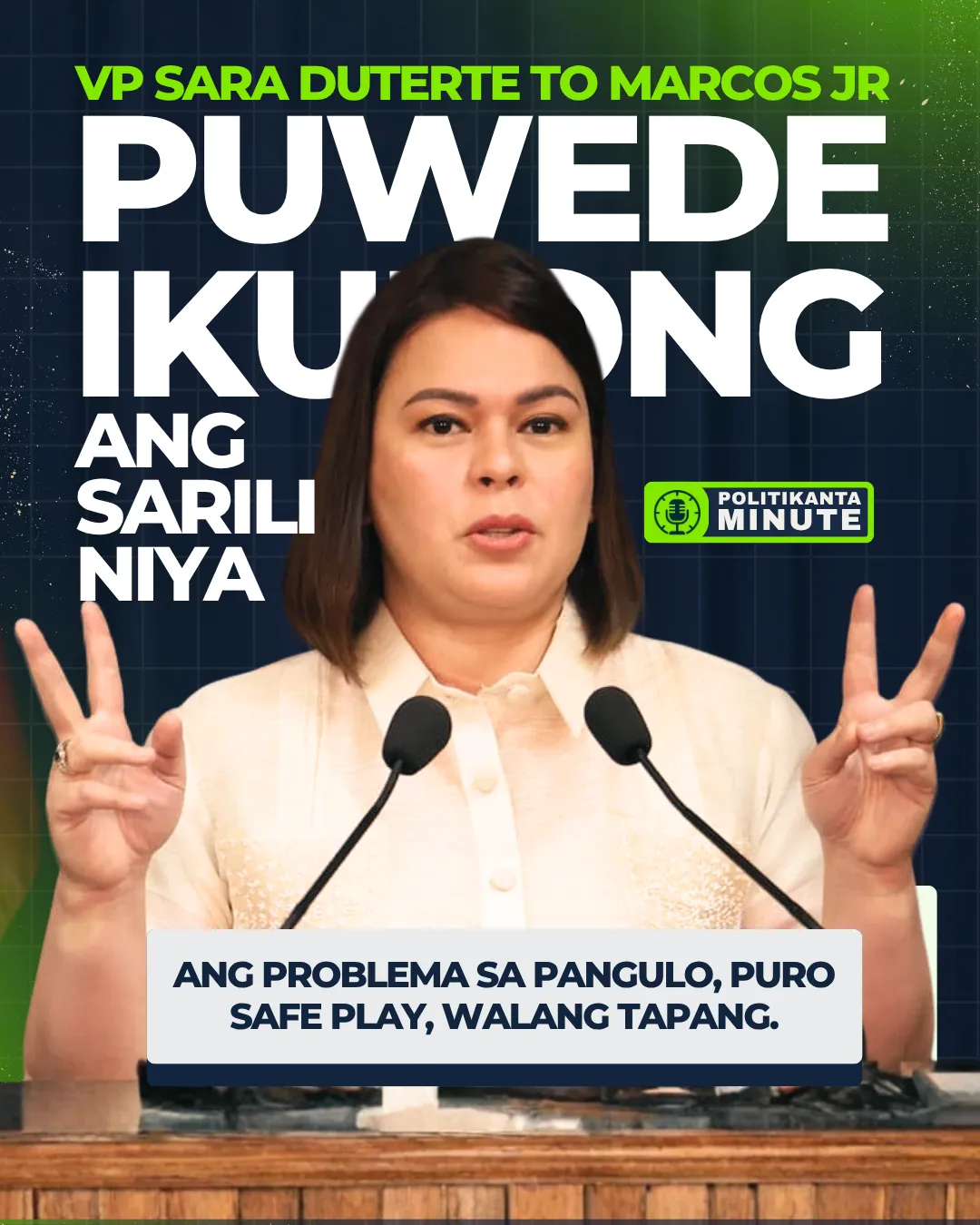

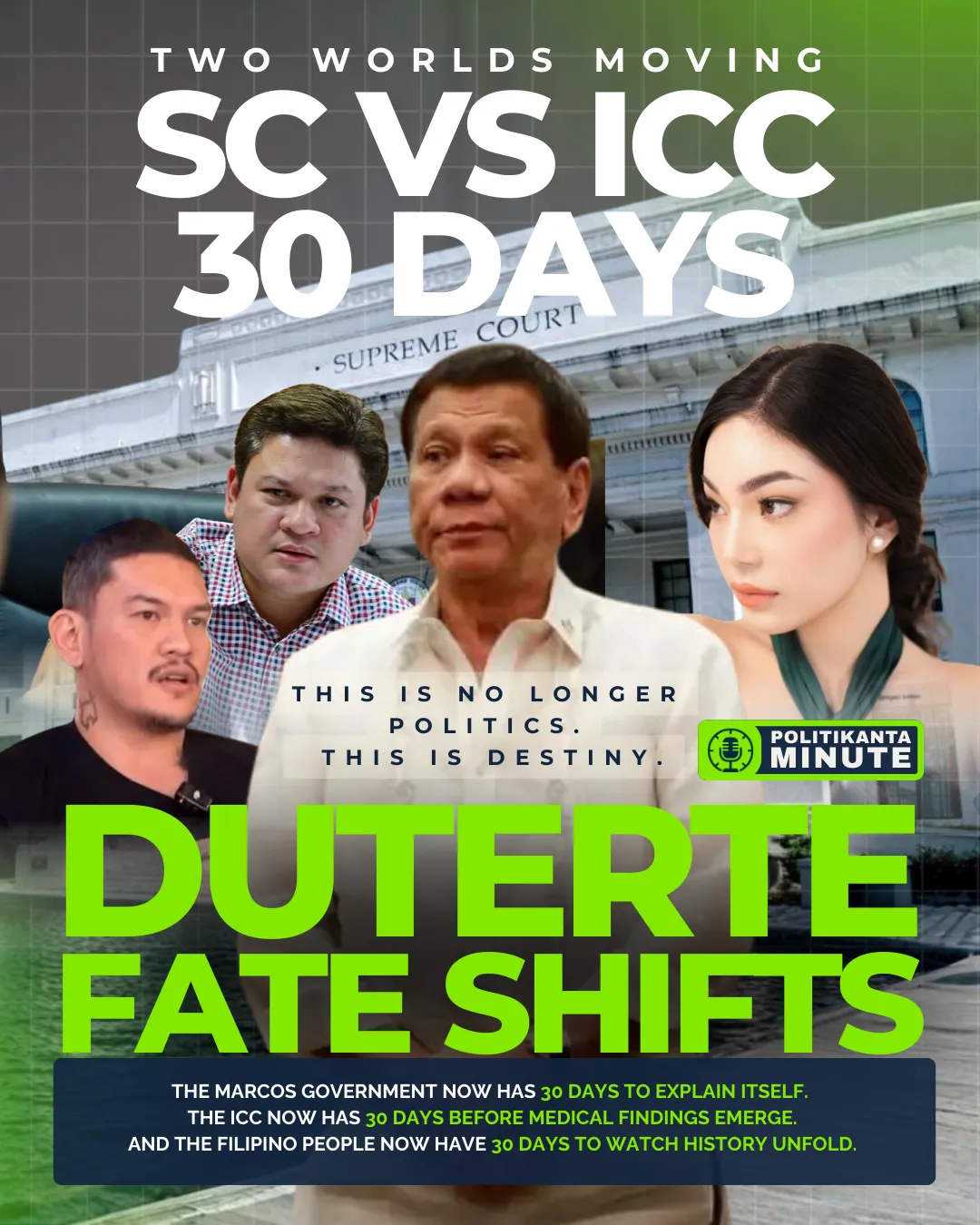
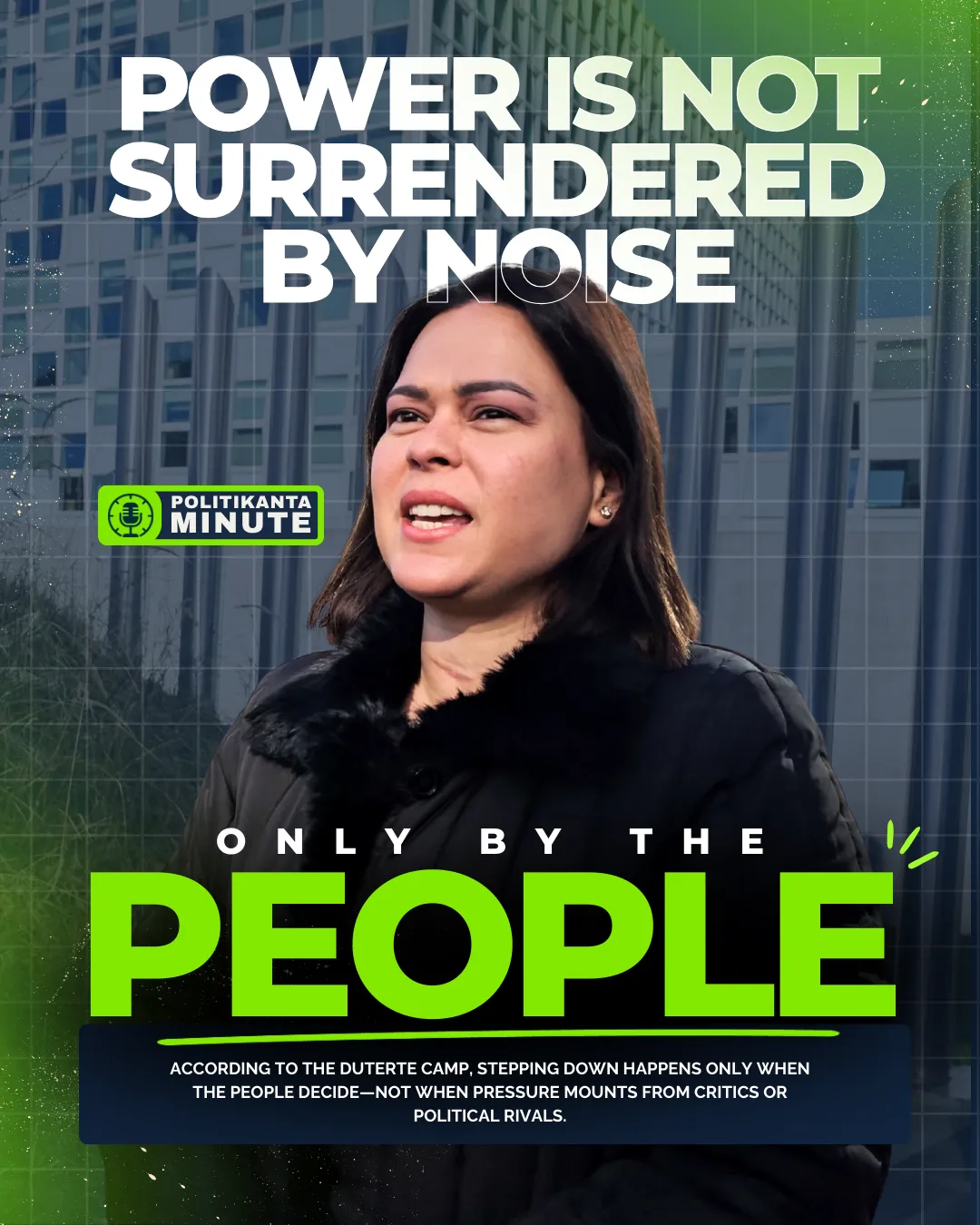
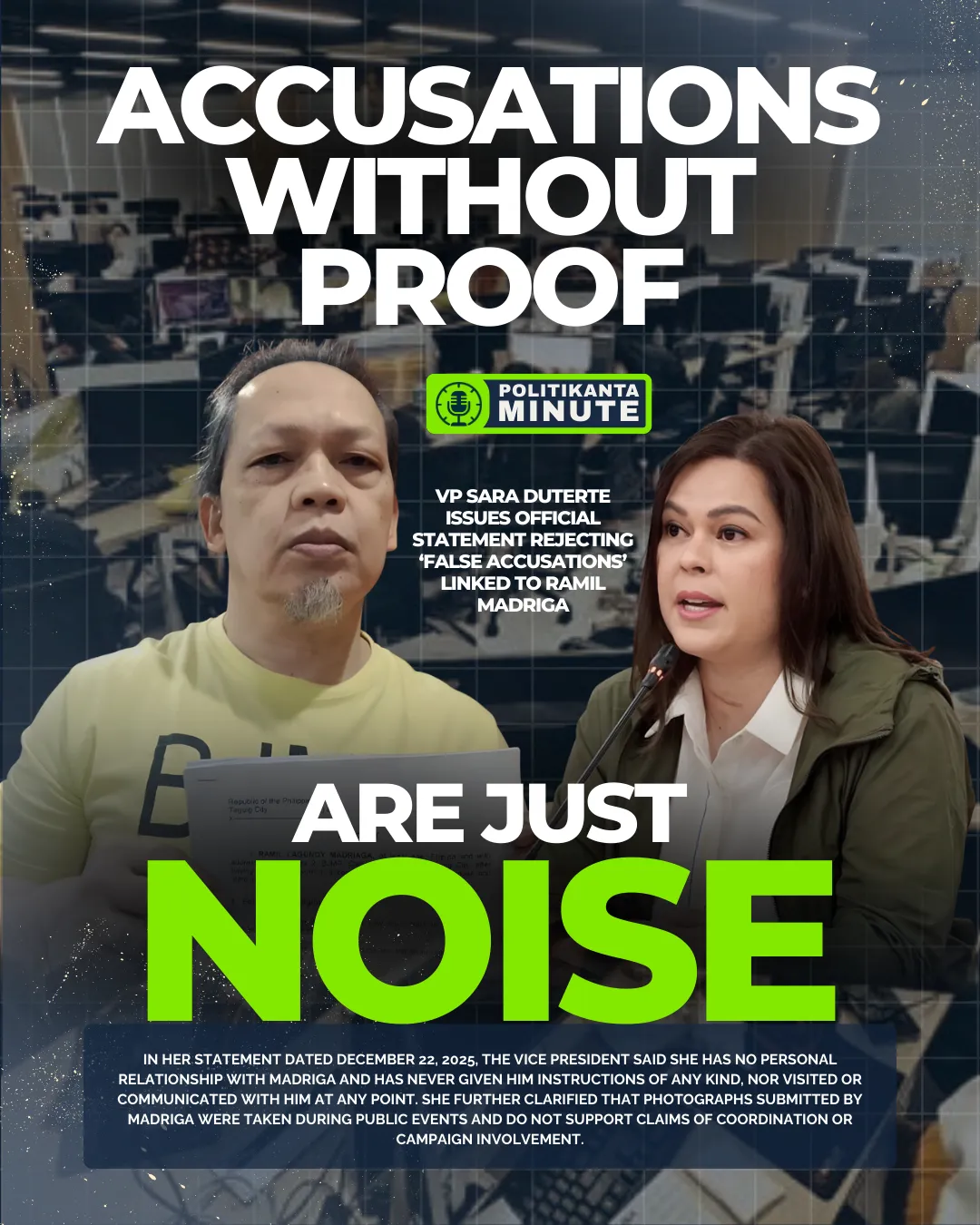
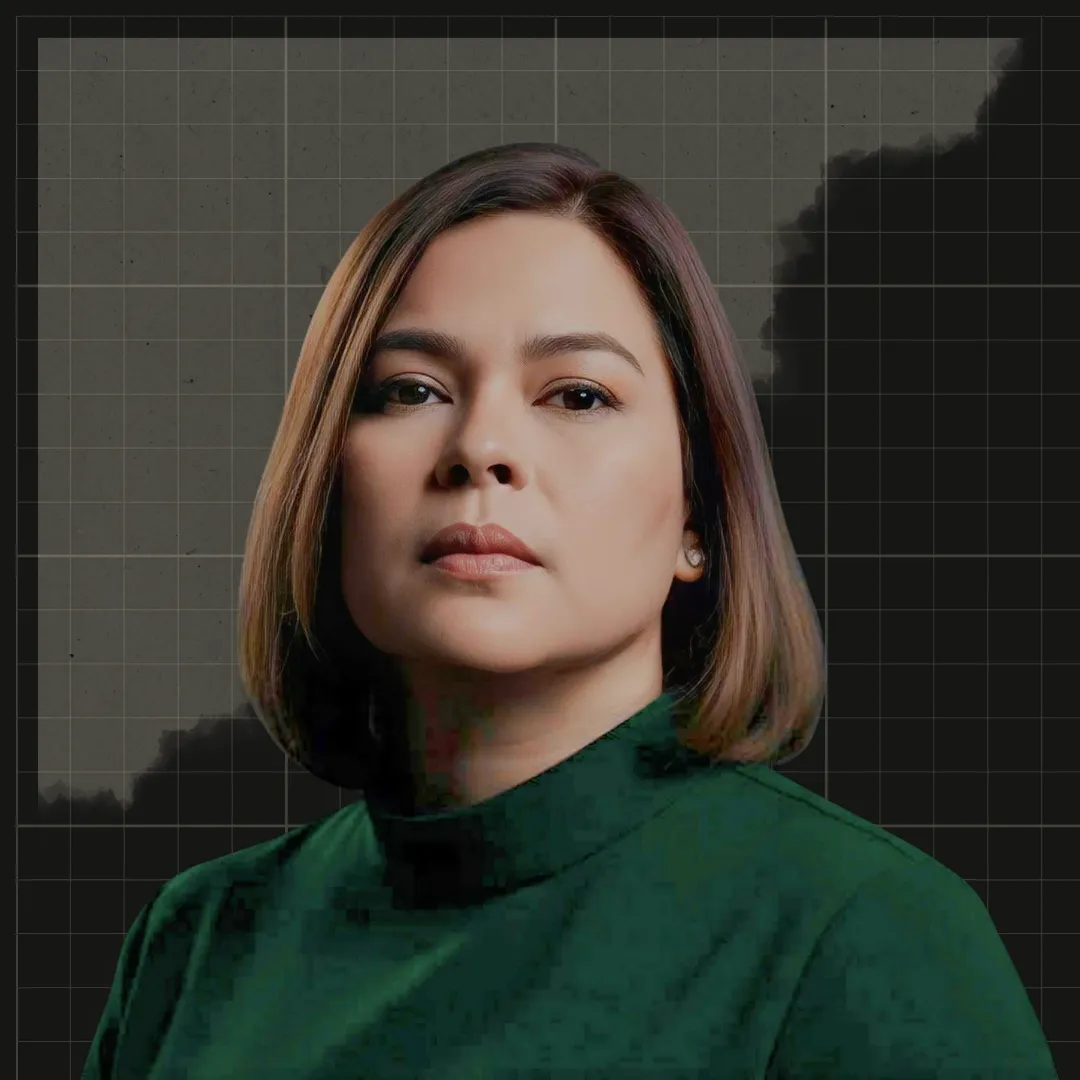
Darryl Yap’s recent post about Vice President Sara Duterte struck a chord online, amassing thousands of comments and shares. His words painted a portrait of resilience: “Nagtitiwala, tumulong, tinraydor, siniraan, patuloy na pinahihirapan.”
For her supporters, Sara Duterte is not just a political figure — she is a daughter honoring her father’s legacy, and a leader standing up for the country amidst criticism and betrayal.
The post frames her as a defender of the nation, ready to battle what Yap describes as the “pulang halimaw na umuuto ng rosas,” a direct jab at political rivals. This strong imagery highlights how polarized Philippine politics has become — where allegiances, narratives, and symbols are constantly weaponized.
But beyond the rhetoric lies the bigger question: Can Sara Duterte truly rise above political attacks and prove herself as a unifying leader, or will she remain trapped in the cycle of partisan battles?
As the political landscape heats up, one thing remains clear — Sara Duterte continues to be a central figure in shaping the nation’s political future.
💭 What’s your take? Is Sara Duterte the resilient leader her supporters believe her to be — or just another political personality caught in the storm?


Disclaimer: This site uses publicly available images and materials for news, satire, and commentary. All rights belong to their respective owners. No copyright infringement intended.
© 2025 Politikanta Minute. All Rights Reserved.
Political Commentary • Satire • Faith-Based Reflection
Some visuals may be AI-generated for satire and illustration. Not real footage unless stated.
Disclaimer: This site uses publicly available images and materials for news, satire, and commentary. All rights belong to their respective owners. No copyright infringement intended.
© 2025 Politikanta Minute. All Rights Reserved.
Political Commentary • Satire • Faith-Based Reflection
Some visuals may be AI-generated for satire and illustration. Not real footage unless stated.