
Mandaluyong City
COURTESY CALL OF H.E. SARAH HULTON, OBE
Tap to view
👁
Mandaluyong City

Your support keeps independent commentary alive.
☕ Buy us a coffee and keep the conversation going


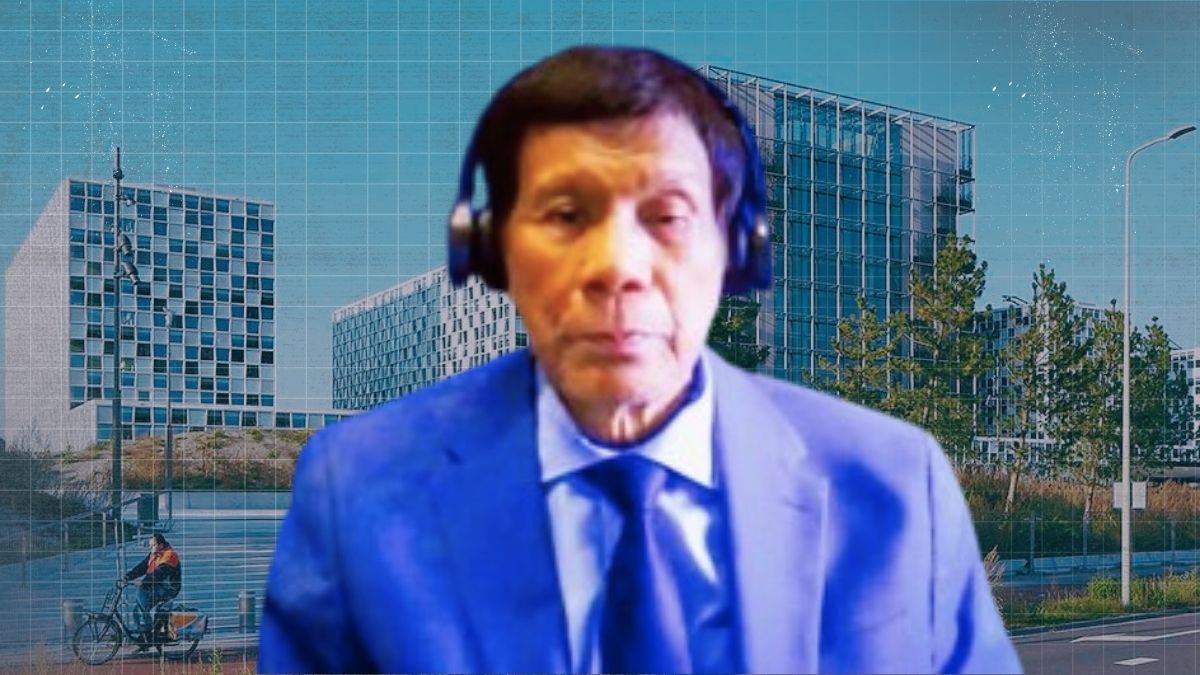
Rodrigo Duterte is once again at the center of an international legal debate—this time over health, due process, and detention standards at the International Criminal Court (ICC).

According to defense filings, medical experts submitted a consolidated report asserting that Duterte’s current neurological and cognitive condition affects sustained attention, executive functioning, and stamina—capacities relevant to continued detention. The defense argues these findings justify interim release under existing ICC rules, without altering the original terms previously requested.
What’s notable is not just the claim itself, but the procedure. The defense asks the Pre-Trial Chamber to evaluate whether changed medical circumstances require reconsideration—an argument rooted in the ICC’s own framework on detention reviews. They also insist the process must allow forensic examination and clarification of any contradictions within the medical assessments before a final determination is made.
The prosecution side has earlier indicated no immediate need for another medical panel. Still, the Chamber retains discretion to weigh risk to proceedings, including flight risk or interference with witnesses, against the humanitarian and legal standards governing detention.
This moment underscores a larger tension: international justice versus individual rights, and how courts navigate medical evidence without politicizing it. For supporters, it’s a test of due process consistency. For critics, it’s a reminder that rules exist precisely for hard cases—and must be applied evenly.

Whatever the outcome, the ruling will likely clarify how the ICC balances health-based claims with the integrity of its proceedings—setting a benchmark for future cases.



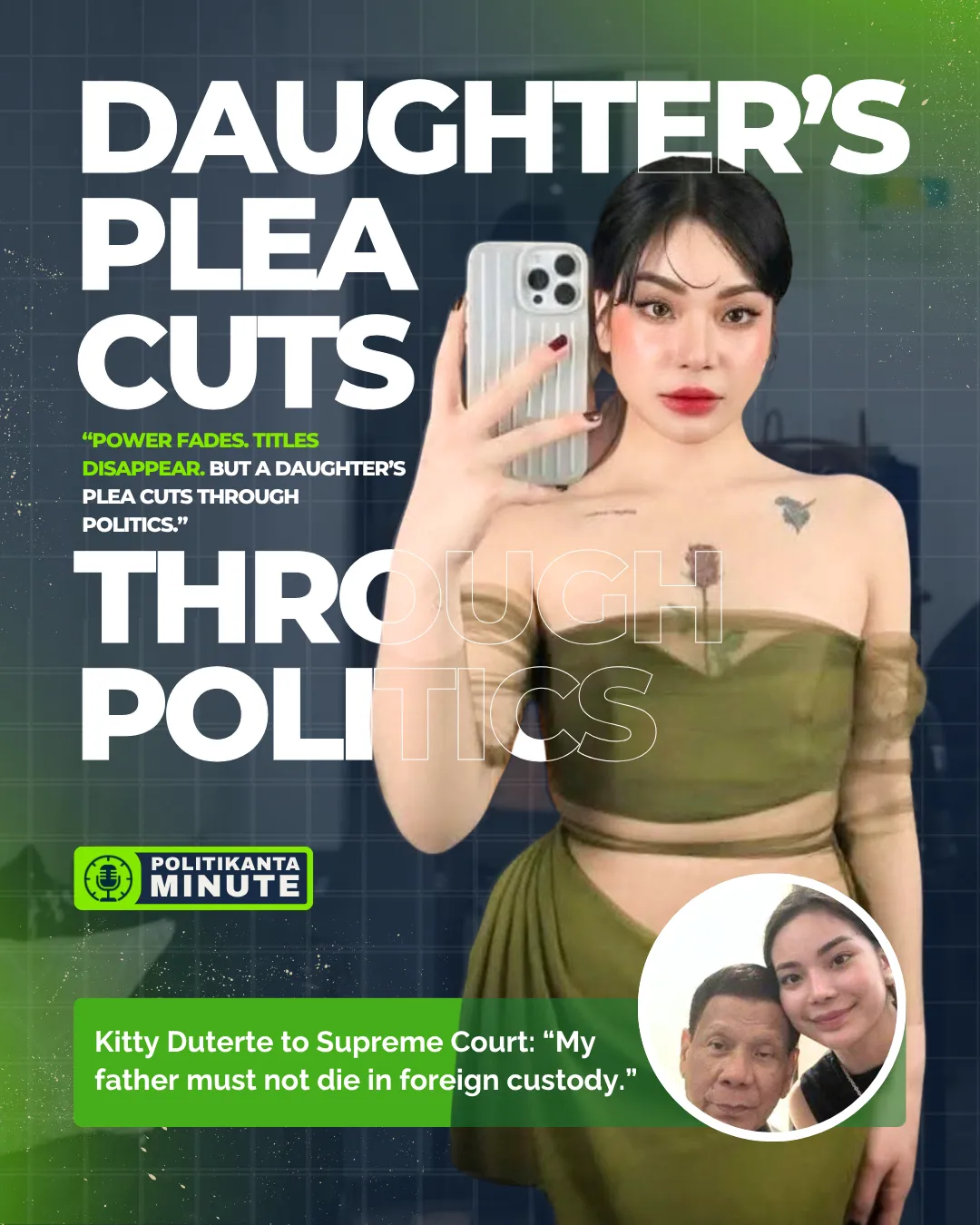






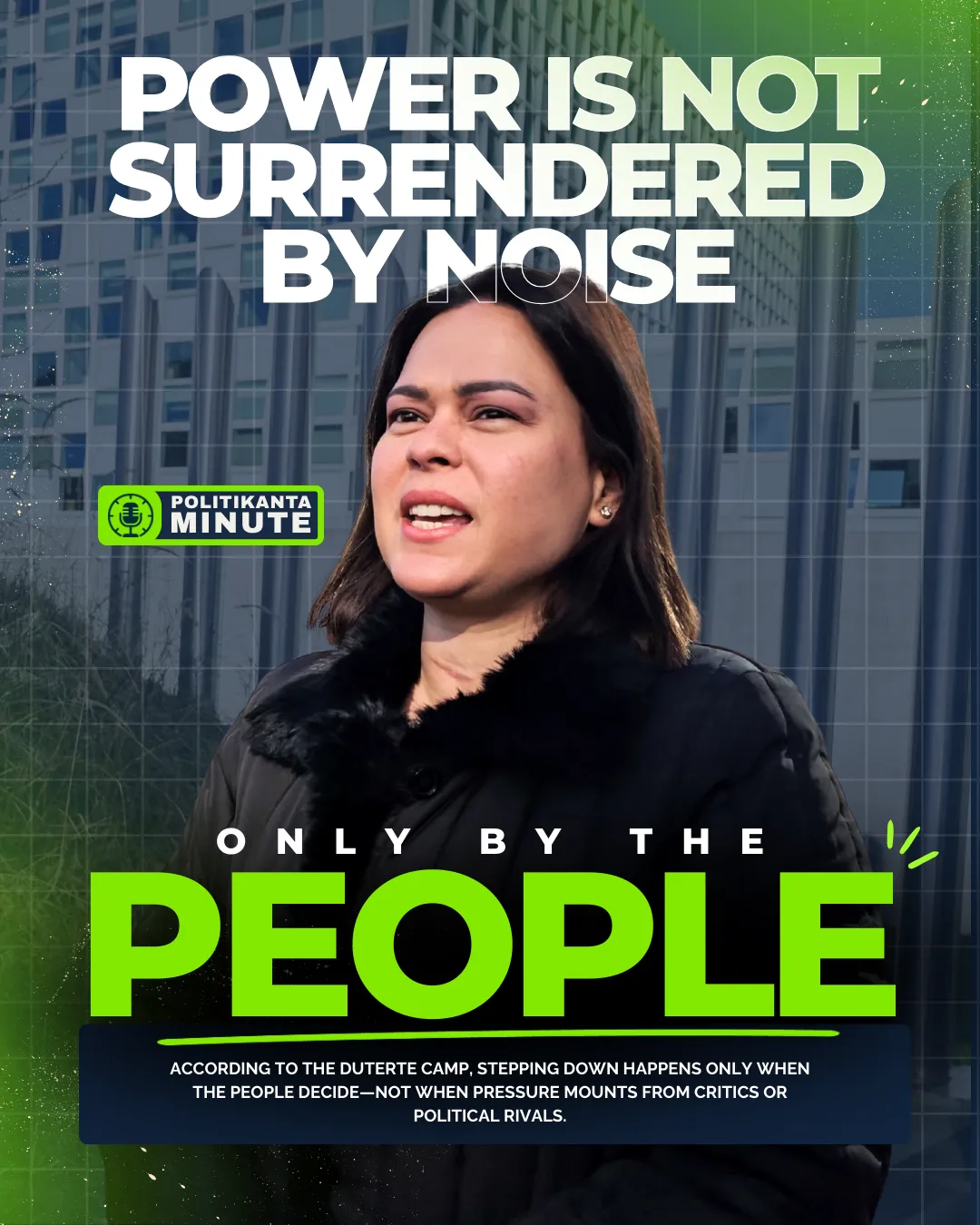



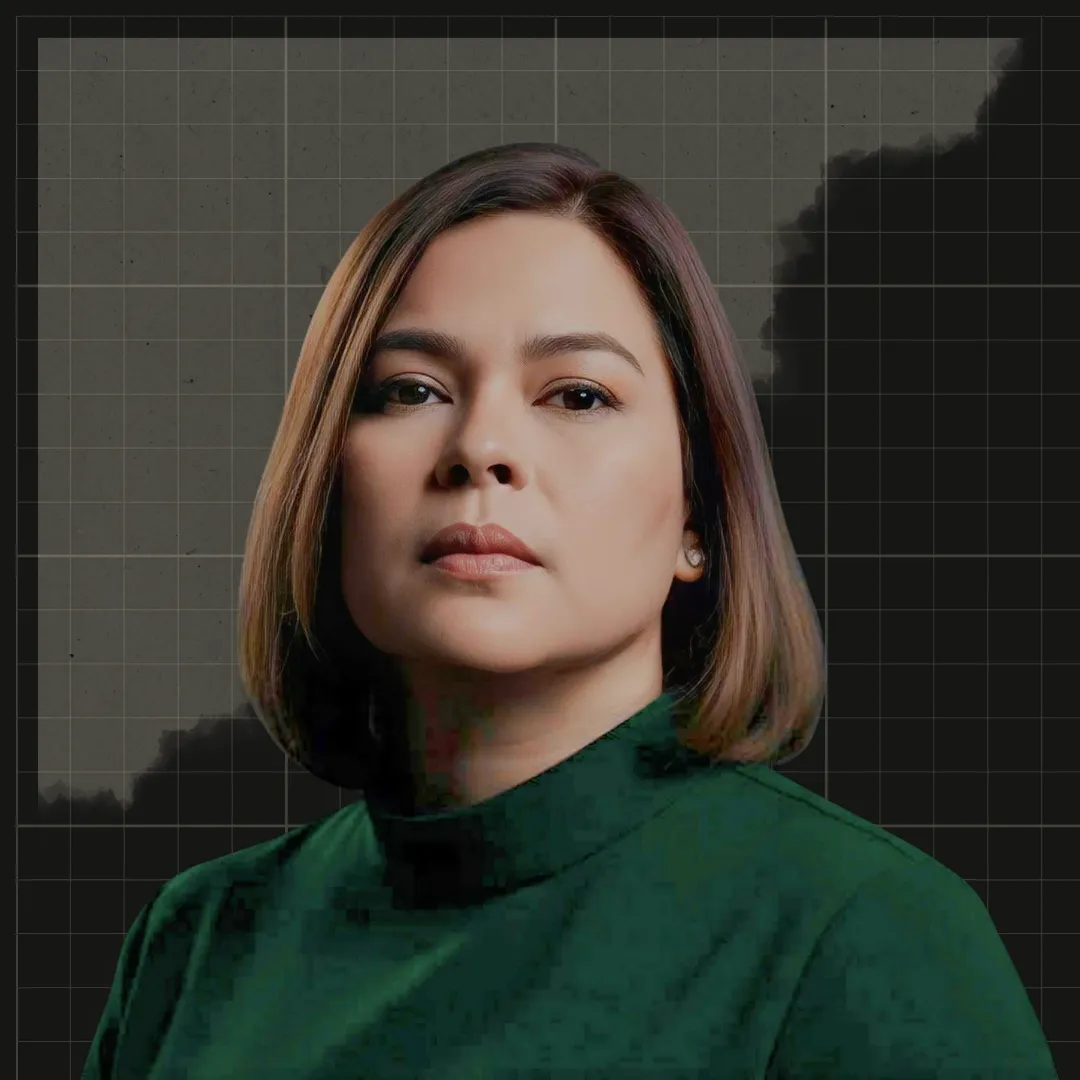
Darryl Yap’s recent post about Vice President Sara Duterte struck a chord online, amassing thousands of comments and shares. His words painted a portrait of resilience: “Nagtitiwala, tumulong, tinraydor, siniraan, patuloy na pinahihirapan.”
For her supporters, Sara Duterte is not just a political figure — she is a daughter honoring her father’s legacy, and a leader standing up for the country amidst criticism and betrayal.
The post frames her as a defender of the nation, ready to battle what Yap describes as the “pulang halimaw na umuuto ng rosas,” a direct jab at political rivals. This strong imagery highlights how polarized Philippine politics has become — where allegiances, narratives, and symbols are constantly weaponized.
But beyond the rhetoric lies the bigger question: Can Sara Duterte truly rise above political attacks and prove herself as a unifying leader, or will she remain trapped in the cycle of partisan battles?
As the political landscape heats up, one thing remains clear — Sara Duterte continues to be a central figure in shaping the nation’s political future.
💭 What’s your take? Is Sara Duterte the resilient leader her supporters believe her to be — or just another political personality caught in the storm?


Disclaimer: This site uses publicly available images and materials for news, satire, and commentary. All rights belong to their respective owners. No copyright infringement intended.
© 2025 Politikanta Minute. All Rights Reserved.
Political Commentary • Satire • Faith-Based Reflection
Some visuals may be AI-generated for satire and illustration. Not real footage unless stated.
Disclaimer: This site uses publicly available images and materials for news, satire, and commentary. All rights belong to their respective owners. No copyright infringement intended.
© 2025 Politikanta Minute. All Rights Reserved.
Political Commentary • Satire • Faith-Based Reflection
Some visuals may be AI-generated for satire and illustration. Not real footage unless stated.


