
Mandaluyong City
COURTESY CALL OF H.E. SARAH HULTON, OBE
Tap to view
👁
Mandaluyong City

Your support keeps independent commentary alive.
☕ Buy us a coffee and keep the conversation going


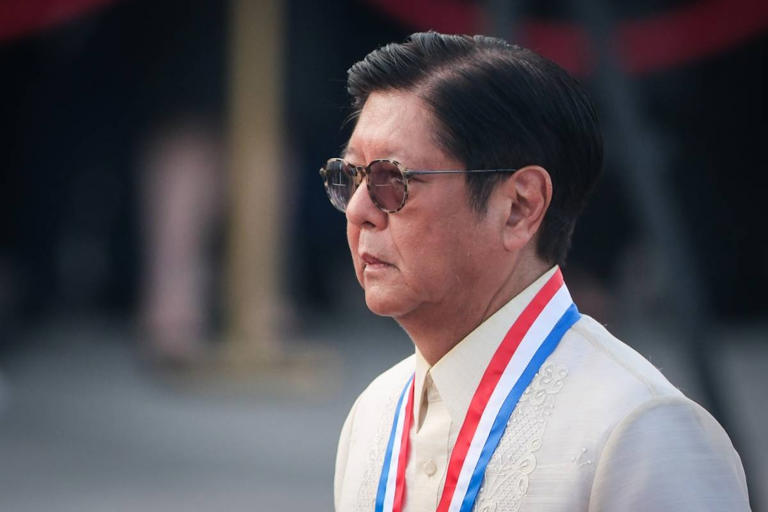
An impeachment complaint has been filed against President Ferdinand Marcos Jr., marking the start of a constitutional process that places the matter squarely in the hands of the House of Representatives.
Under the Philippine Constitution, the filing of an impeachment complaint does not amount to guilt. It triggers a procedural sequence in the House, where lawmakers must determine sufficiency in form and substance, followed by deliberation and voting thresholds before any case can advance to the Senate.
House leaders have reiterated that impeachment is both a legal and political process, governed by timelines, vote counts, and committee action. Historically, many impeachment complaints do not proceed beyond initial stages due to procedural or numerical hurdles.
Malacañang has not issued a detailed response as of writing, though officials have consistently maintained that accountability mechanisms should operate within constitutional bounds and without prejudgment.
Political analysts note that impeachment filings often surface during periods of heightened tension, but outcomes depend less on headlines and more on legislative arithmetic and procedural compliance.
For the public, the key distinction remains: a complaint is a filing—not a verdict.
In constitutional systems, stability is tested not by accusations, but by how institutions handle them.














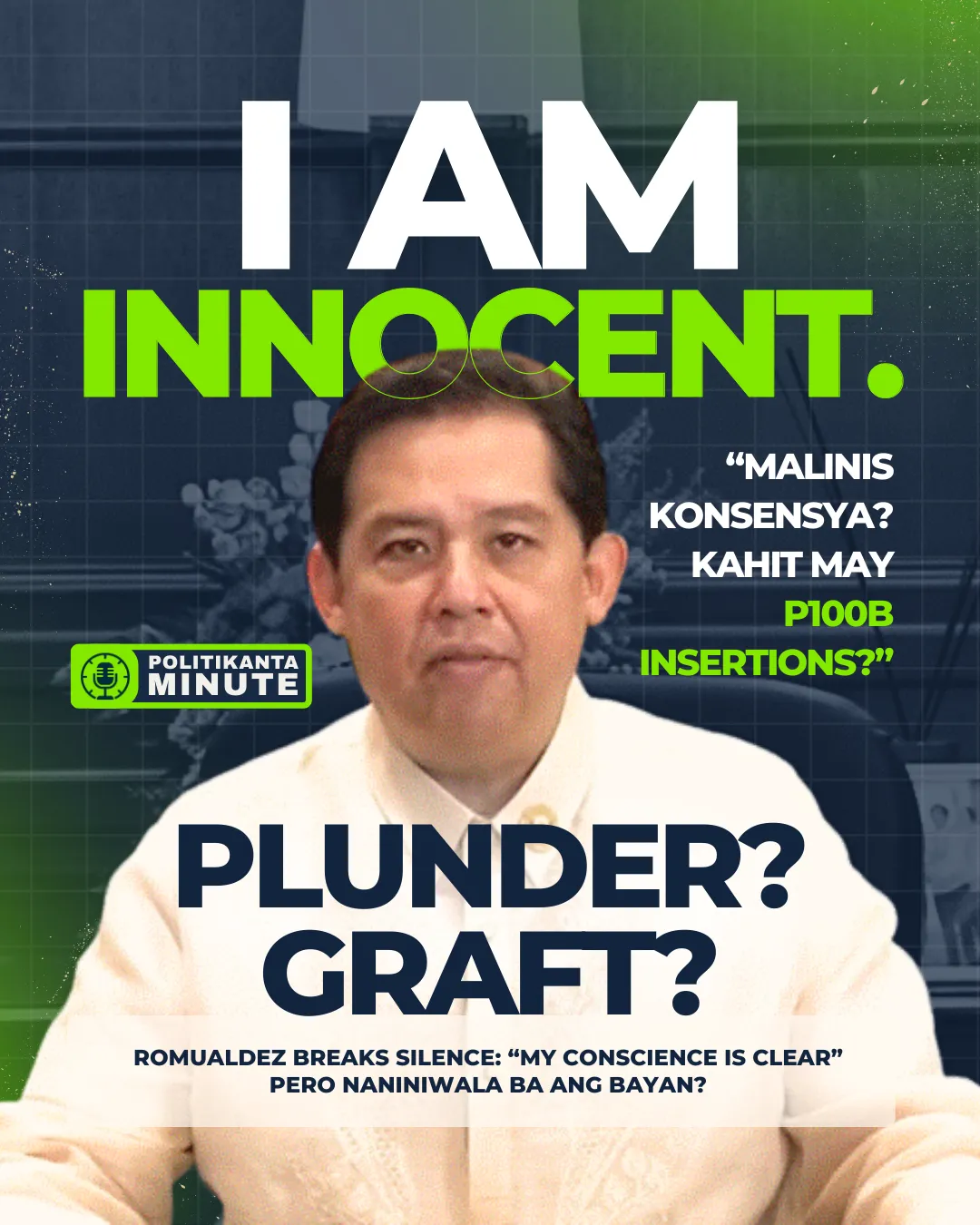
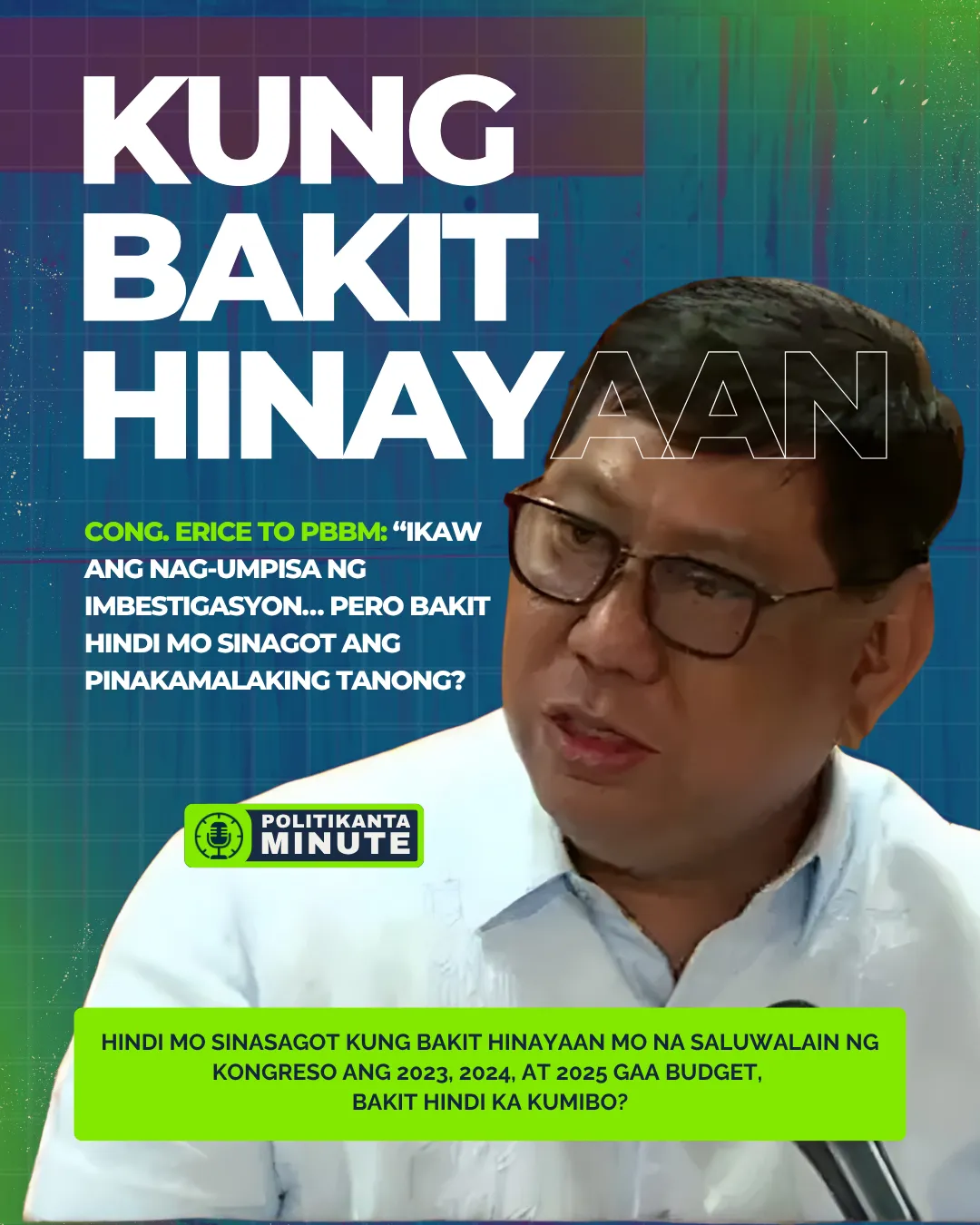

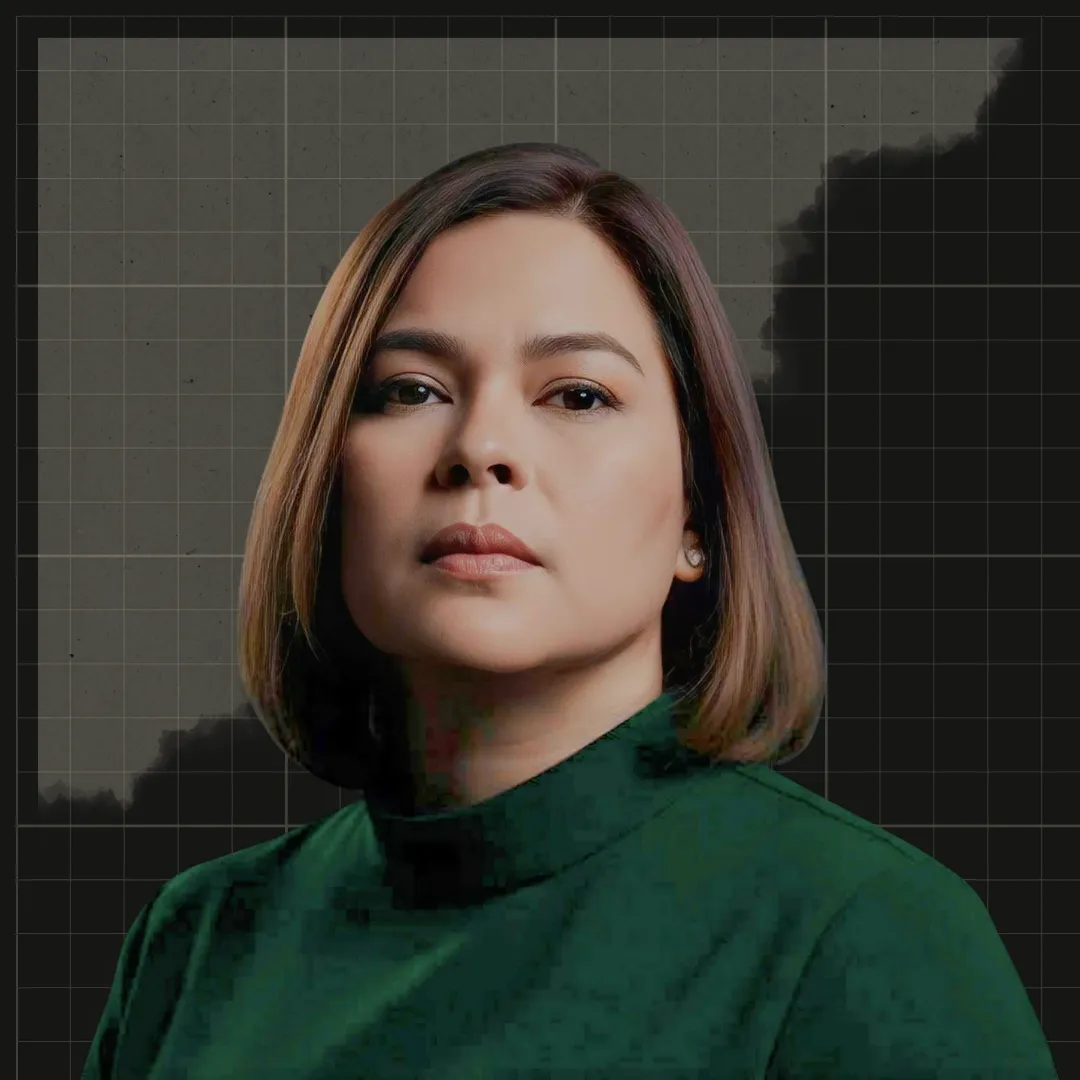
Darryl Yap’s recent post about Vice President Sara Duterte struck a chord online, amassing thousands of comments and shares. His words painted a portrait of resilience: “Nagtitiwala, tumulong, tinraydor, siniraan, patuloy na pinahihirapan.”
For her supporters, Sara Duterte is not just a political figure — she is a daughter honoring her father’s legacy, and a leader standing up for the country amidst criticism and betrayal.
The post frames her as a defender of the nation, ready to battle what Yap describes as the “pulang halimaw na umuuto ng rosas,” a direct jab at political rivals. This strong imagery highlights how polarized Philippine politics has become — where allegiances, narratives, and symbols are constantly weaponized.
But beyond the rhetoric lies the bigger question: Can Sara Duterte truly rise above political attacks and prove herself as a unifying leader, or will she remain trapped in the cycle of partisan battles?
As the political landscape heats up, one thing remains clear — Sara Duterte continues to be a central figure in shaping the nation’s political future.
💭 What’s your take? Is Sara Duterte the resilient leader her supporters believe her to be — or just another political personality caught in the storm?


Disclaimer: This site uses publicly available images and materials for news, satire, and commentary. All rights belong to their respective owners. No copyright infringement intended.
© 2025 Politikanta Minute. All Rights Reserved.
Political Commentary • Satire • Faith-Based Reflection
Some visuals may be AI-generated for satire and illustration. Not real footage unless stated.
Disclaimer: This site uses publicly available images and materials for news, satire, and commentary. All rights belong to their respective owners. No copyright infringement intended.
© 2025 Politikanta Minute. All Rights Reserved.
Political Commentary • Satire • Faith-Based Reflection
Some visuals may be AI-generated for satire and illustration. Not real footage unless stated.


